
Field notes
Writing on skin AI, measured honestly.
Research, methodology, and product thinking from the team building skin analysis for Fitzpatrick III–VI Bharatiya skin. Sources named, limitations stated.
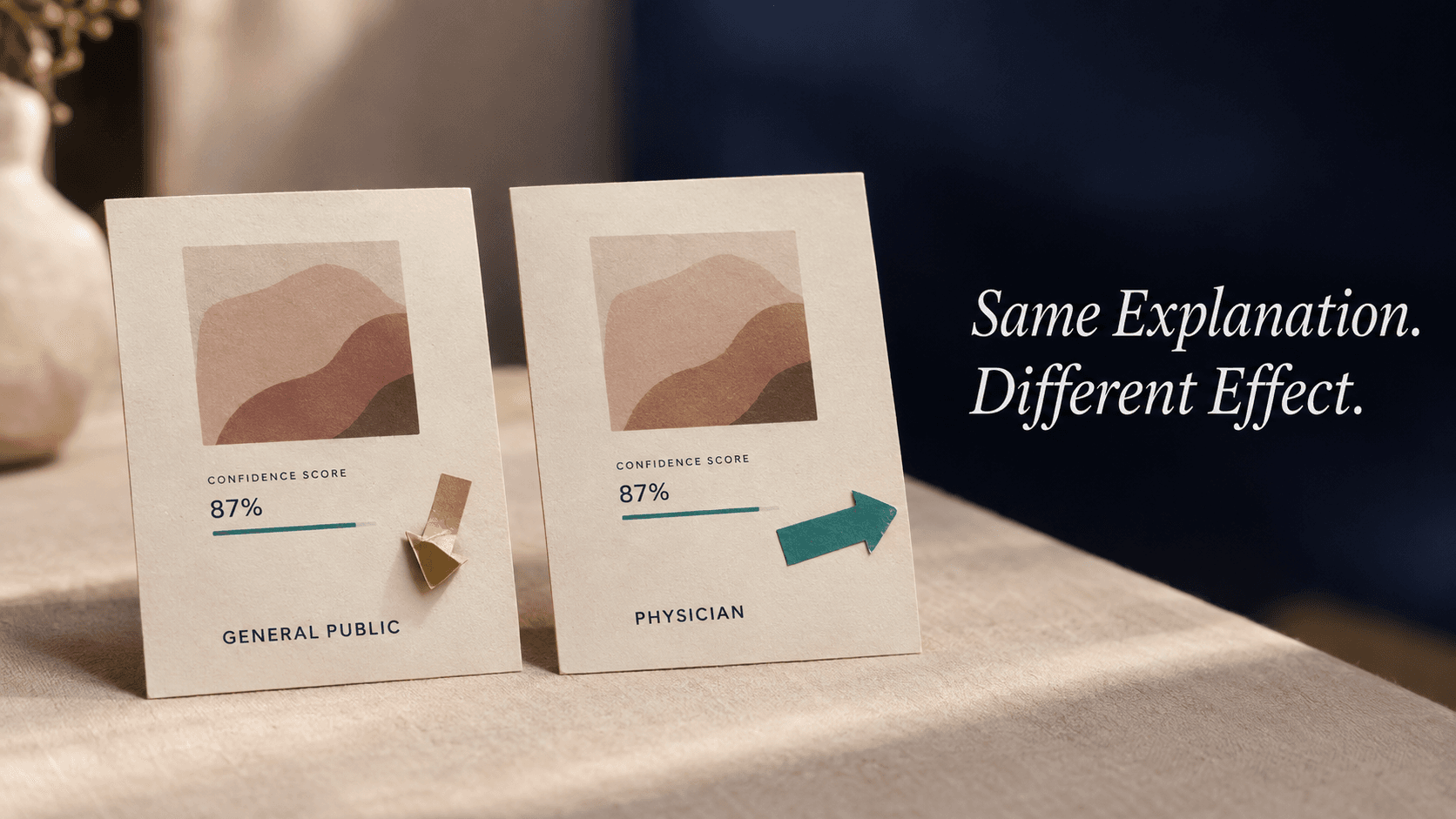
New Research: Explainable AI Can Backfire on the Exact Users Who Need It Most
NEW RESEARCHA fairness-constrained model narrowed the skin-tone accuracy gap for everyone. The AI explanations layered on top of it didn't — and for one group, they made wrong answers worse.
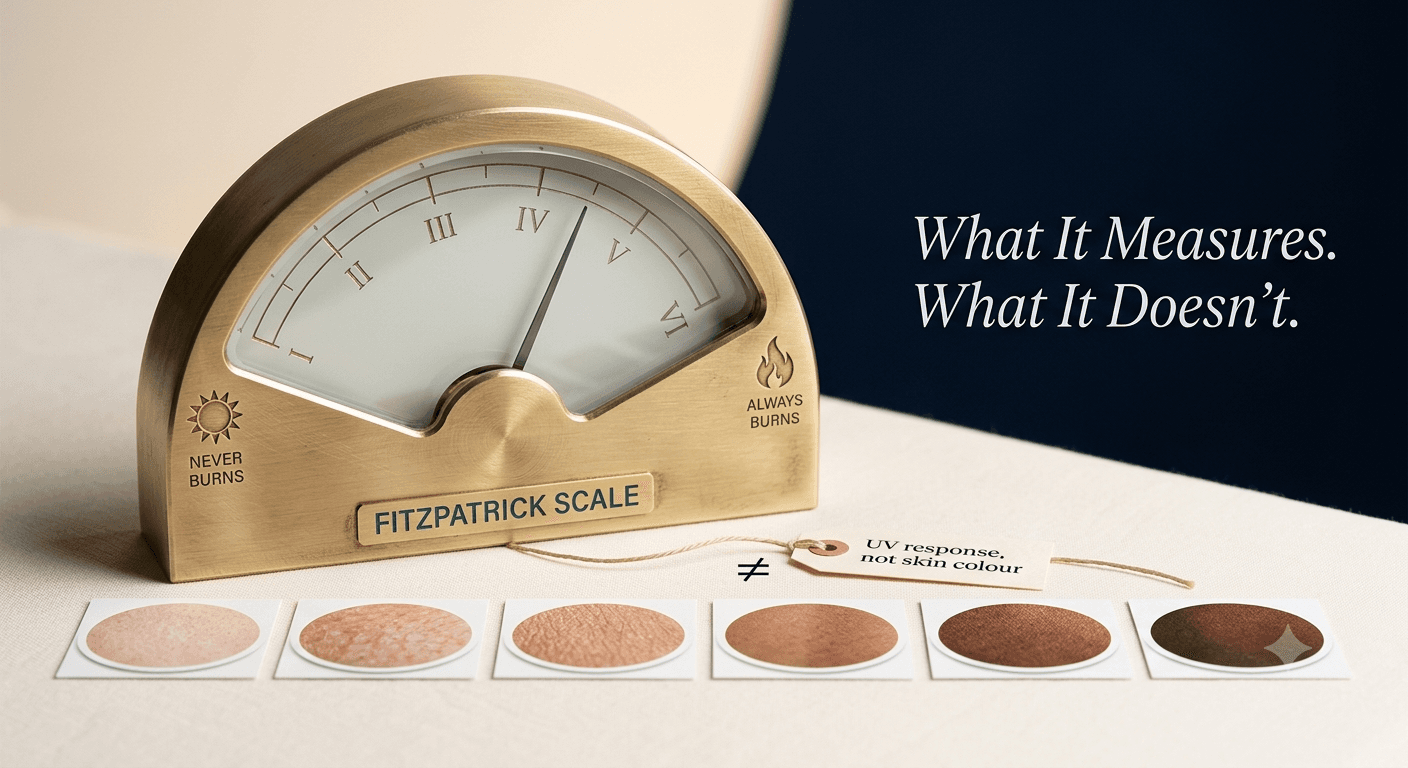
The Fitzpatrick Scale Explained: What It Measures, What It Doesn't, and Why AI Teams Get It Wrong
FITZPATRICK SCALEDermatology's most-cited skin scale was built in 1975 to answer one question: how much UV can this patient take before they burn? It was never a colour chart — and treating it like one is where a lot of skin-AI accuracy problems start.
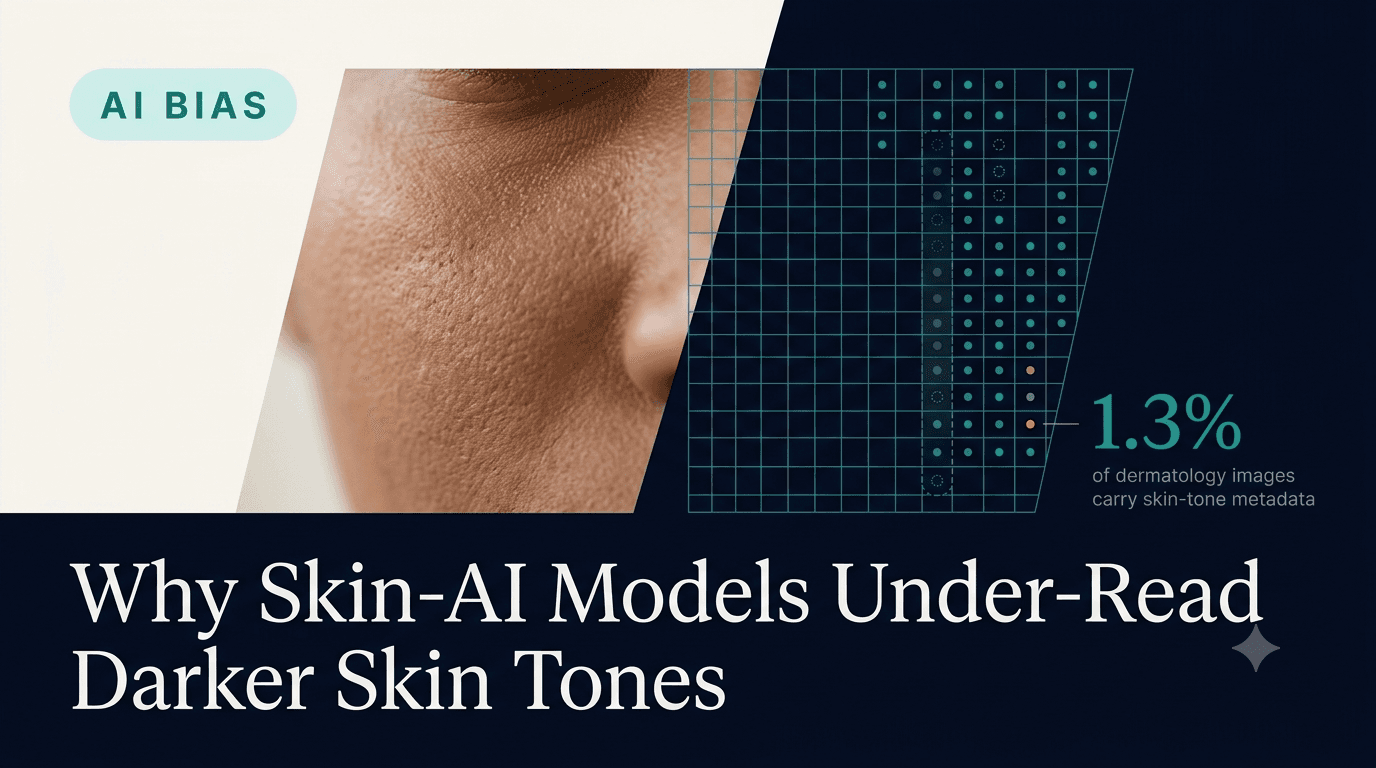
Why Skin-AI Models Under-Read Darker Skin Tones: What the Research Actually Shows
AI BIASAI bias in dermatology isn't a hot take — it's a reproducible finding across a growing body of peer-reviewed research. Here's what that research actually says, with sources.
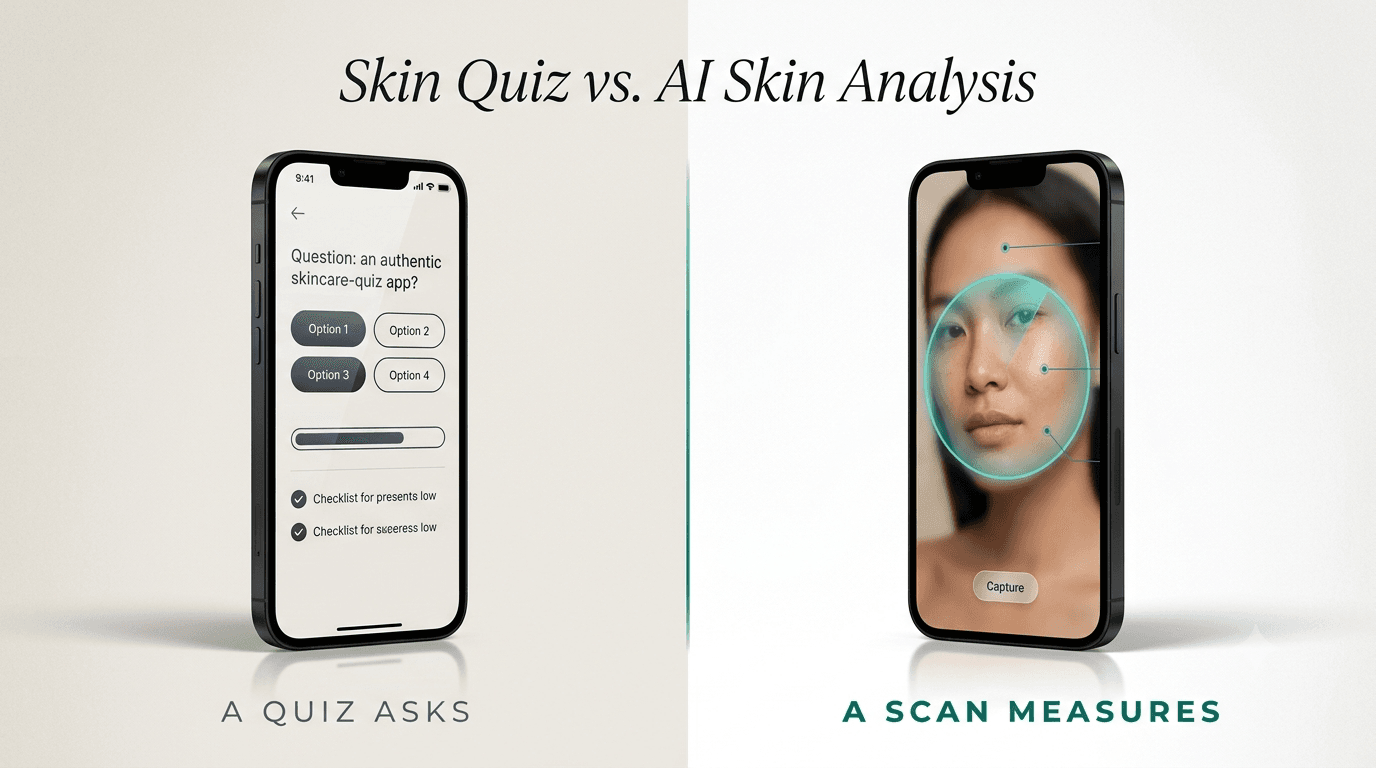
Skin Quiz vs. AI Skin Analysis: What Actually Converts for D2C Beauty Brands
D2C GROWTHA quiz asks your customer what their skin is like. A scan measures it. The gap between those two inputs is where returns, repeat rate and AOV quietly get decided.
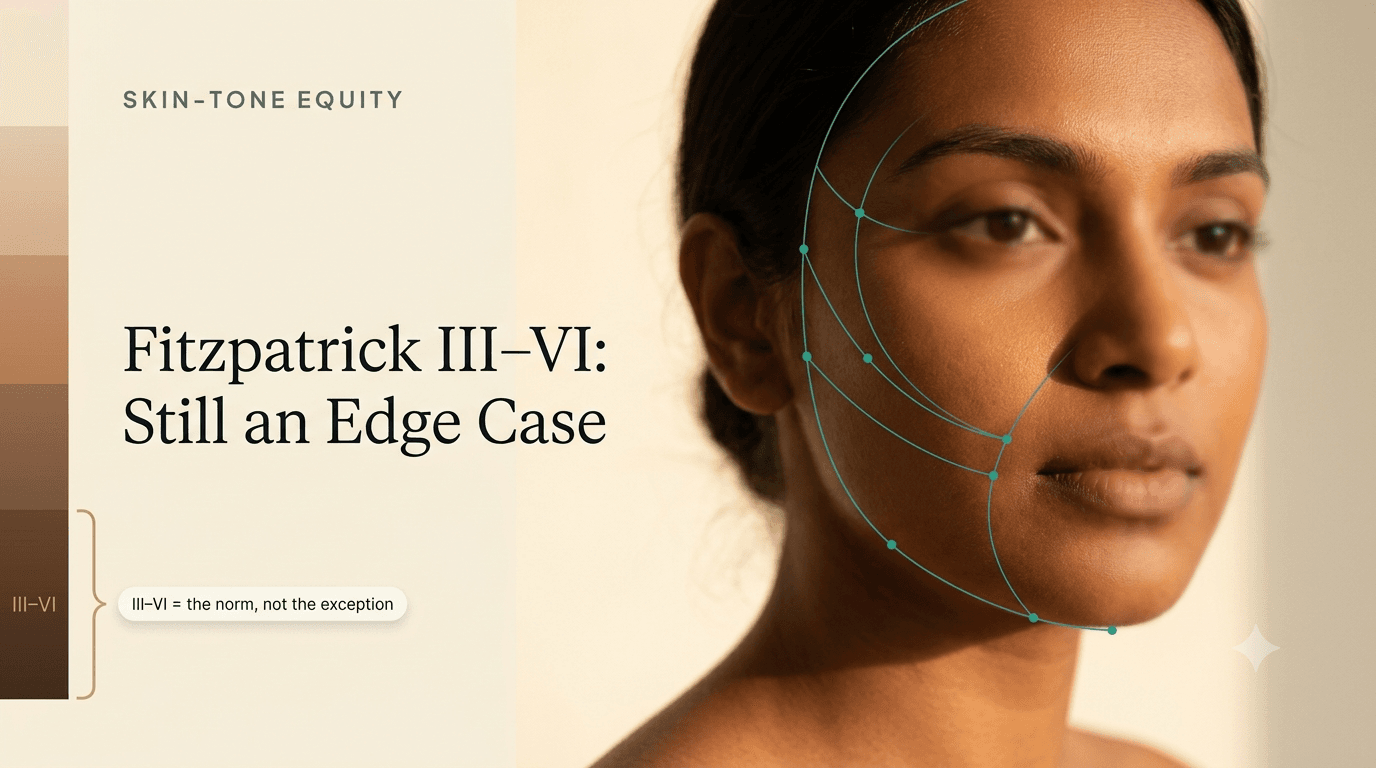
Fitzpatrick III–VI: Why India's Majority Skin Tone Is Still an Edge Case in Most Skin AI
AI BIASMost skin-analysis AI was trained on Fitzpatrick I–II skin and extended outward. For a market where III–VI is the norm, that isn't a rounding error — it's the whole distribution.